
Interior Painting

Interior Painting
The Paint Is the Last Thing That Happens.
Most of a good paint job is what comes before the brush. That’s the part that separates a room that looks finished from one that looks painted.
Insured • Background-Checked Craftsmen • Two-Year Limited Workmanship Warranty
Why People Repaint
A color that stopped working. The most common reason, and the most satisfying. Paint is the cheapest change with the biggest effect.
Paint that’s faded. It happens slowly enough that most people don’t notice until something moves — a picture comes off the wall, furniture shifts, and there’s a bright rectangle where the light never reached.
Walls that have taken a beating. Scuffs along hallways, dings at furniture height, marks near switches. Individually forgettable. Together they make a room read as tired.
After repair work. Drywall, trim, or a wall that’s been opened up — the repair itself might be invisible, but new paint over old paint rarely is. Painting after the fix is usually what actually finishes it.
A whole-room refresh. Paint alongside new hardware, lighting, or fixtures. Any one of them alone is an improvement; together they read as a different room.
Where Rooms Go Wrong
One coat over a color change. Going from dark to light, or light to dark, takes two coats and often a primer. One coat with good paint still shows the old color in raking light.
Thin paint stretched over too few coats. Contractor-grade paint covers poorly, and a wall that needs four coats to hide the old color costs more in labor than the good paint would have cost in the first place.
Ceilings skipped. Fresh walls against an old ceiling makes the ceiling look grey, even when it was fine before. Sometimes that’s a reason to include it, sometimes it isn’t, but it’s worth knowing before you decide.
Cutting in that wavers. The line where wall meets ceiling and trim is the one thing people notice from the doorway.
Brushed and Rolled, or Sprayed
Both are legitimate. They suit different situations, and the difference is worth understanding before someone quotes you either one.
Brush and roll is the usual approach for walls in an occupied home. It’s slower, but the containment is simpler — less masking, less overspray risk, and easier to work one room at a time while you’re living in the rest of the house. It also leaves a slight roller texture, which most people never notice on a wall.
Spraying lays down the most uniform finish available, and it’s the reason sprayed trim and doors look the way they do — no brush marks, no roller stipple. It’s also faster over large areas, which makes it well suited to ceilings, empty rooms, and whole-house work. The tradeoff is masking: everything not being painted has to be covered, and that setup takes real time.
Which makes sense depends on the room, what’s in it, whether you’re living there, and what’s being painted. Trim and ceilings often call for one approach while walls call for another, sometimes in the same house. We’ll talk through which we’d use and why before anything starts.
What We Paint
Whole rooms, single walls, and accent walls. Ceilings, including flat and textured. Trim, baseboards, casings, crown, and doors. Hallways and stairwells, including the tall reaches that need proper staging. Closets and pantries. Basements and bonus rooms.
Color consultation if you want it — bringing samples, looking at them on your wall in your light, at the time of day you’re actually in the room.
Living in the House While It’s Painted
Most people can’t move out for a week, and don’t need to.
We work room by room where that makes sense, so you keep the rest of the house. Furniture gets moved to the middle and covered rather than hauled out.
Low-VOC paints are standard for interior work, so a room is usable the same evening in most cases.
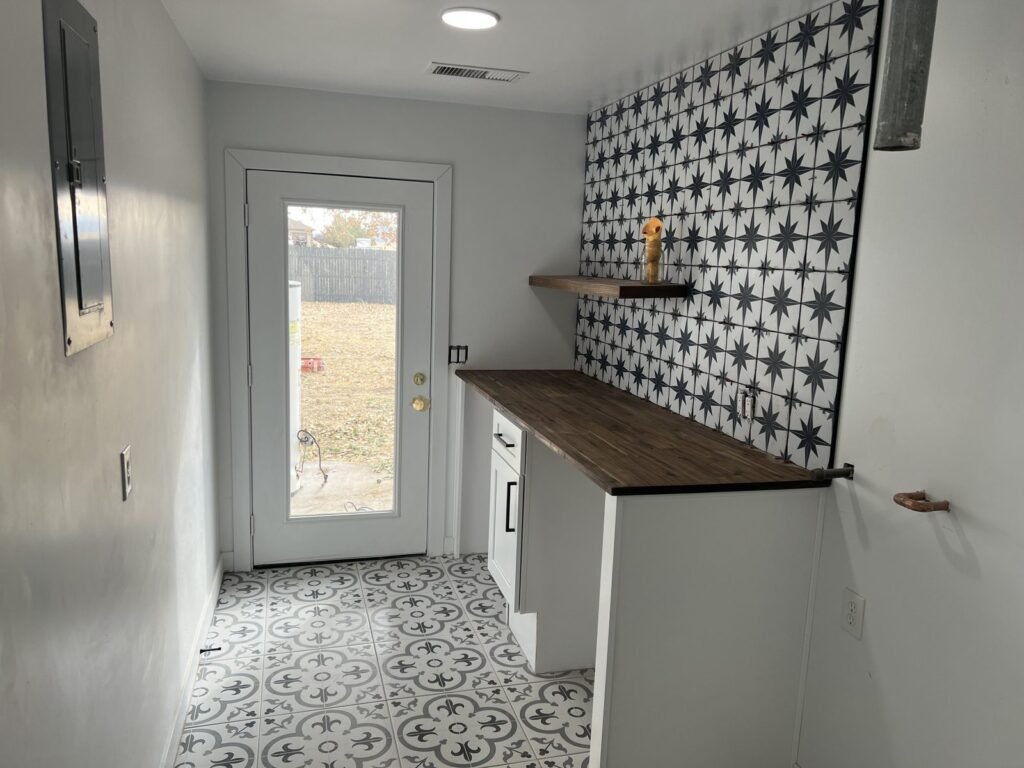
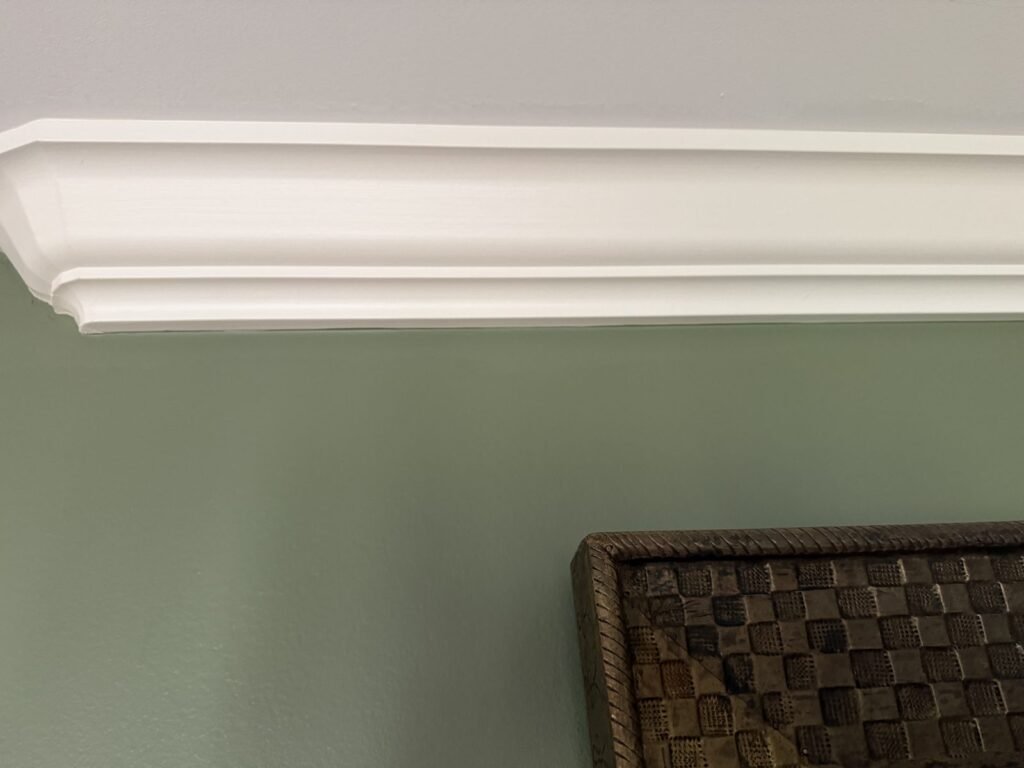
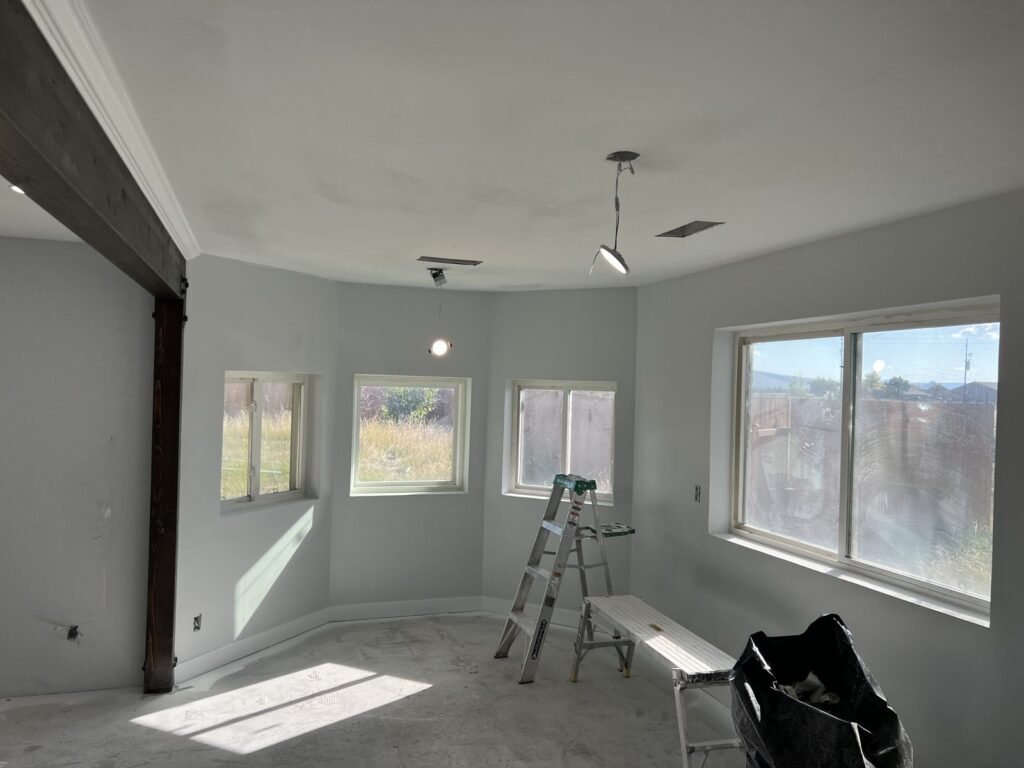
Patterned accent wall · Crown molding · Interior painting
Part of our home refreshes and transformations.
Frequently Asked Questions
Proudly serving Cleveland, Ooltewah, Chattanooga, and the surrounding communities of Southeast Tennessee.
Your To-Do List Has Waited Long Enough.
From a single repair to a full refresh, we’ll walk your project, answer your questions, and put it in writing.