
Home Refreshes in Cleveland, Ooltewah & Chattanooga, TN

Coordinated Home Improvements
Bring the Whole Space Together.
Nothing’s broken. You just walk into that room and it feels tired. Usually the fix isn’t one big thing — it’s four or five smaller ones chosen to work together, which costs a lot less than a remodel and changes the room just as much.
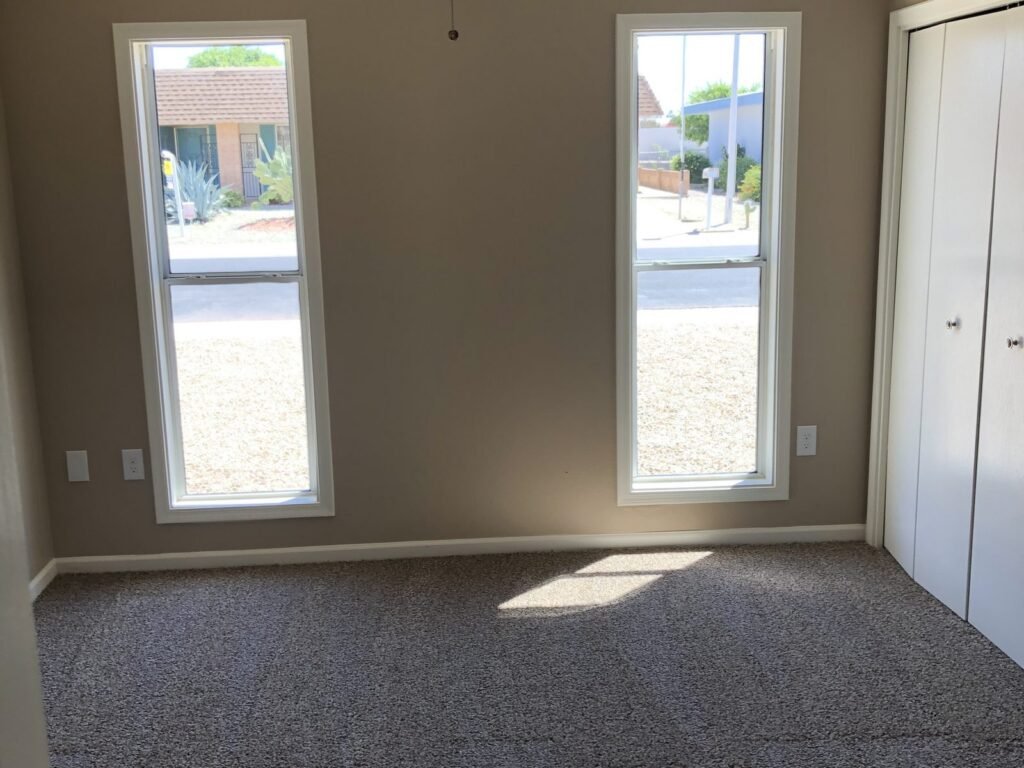
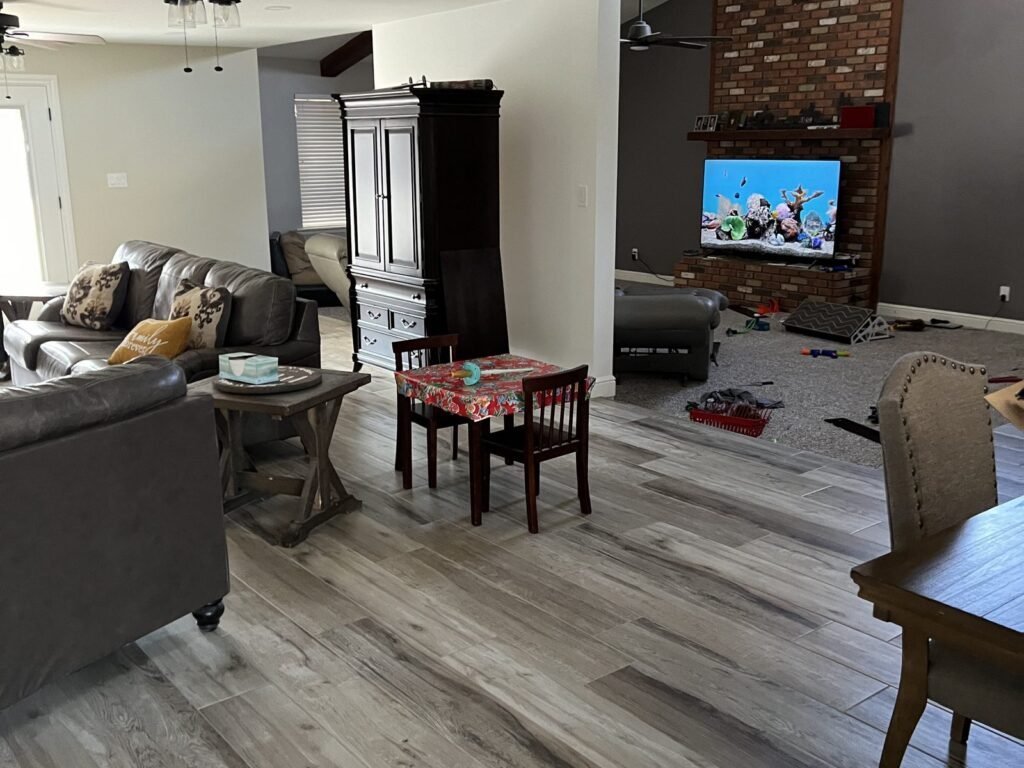
Bedroom carpet · Wood-look plank flooring
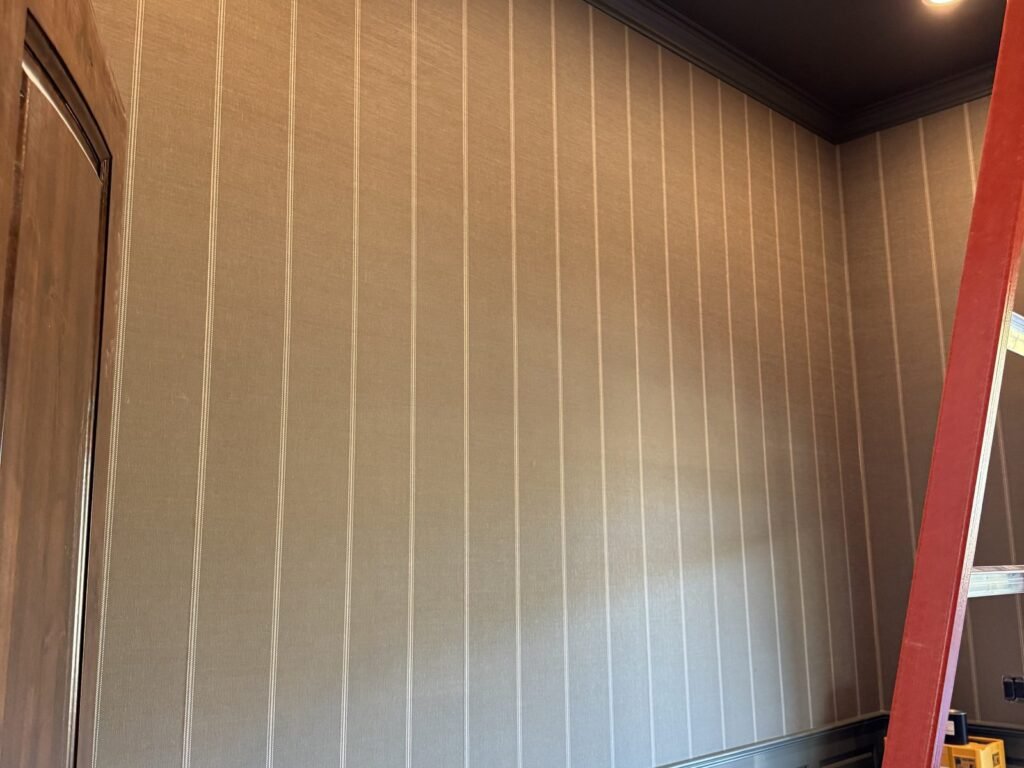
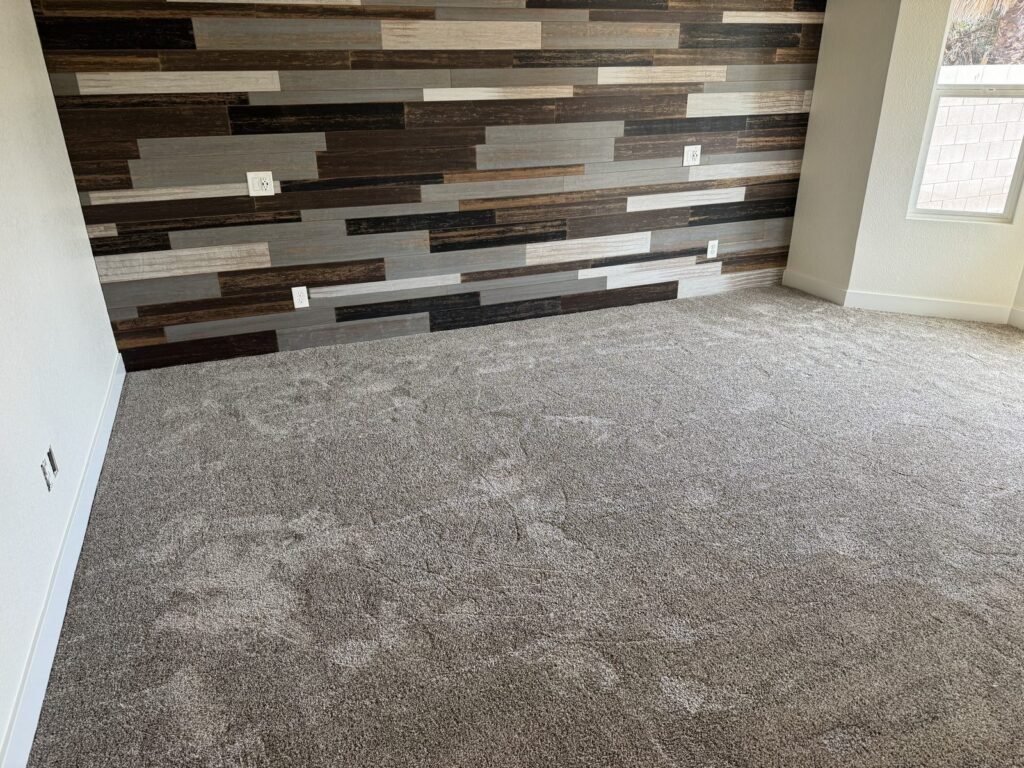
Wall paneling · Plank accent wall
Insured • Background-Checked Craftsmen • Two-Year Limited Workmanship Warranty
Sometimes Nothing Is Broken.
You don’t need a reason. “I’ve stopped liking this room” is a reason.
Dissatisfaction with a space usually isn’t about damage. It’s about a room that’s gone dark, or dated, or disconnected from the rest of the house, or that never quite got finished when you moved in. Nothing on the list is urgent, which is exactly why it’s still on the list four years later.
The useful question isn’t what’s wrong. It’s what would have to change for you to like walking in there.
What Does the Room Feel Like?
Homeowners don’t describe these projects in trades. They describe a feeling. Here’s how that usually comes out, and what tends to fix it.
“It feels dark.”
Almost always lighting, and almost never one fixture. Dated ceiling fixtures throw light down instead of around, and a single source makes a room feel like a hallway.
The fix is usually layered — an updated main fixture, undercabinet or accent lighting, sometimes a lighter wall color to stop absorbing what you’ve got. It’s one of the cheapest changes on this page and one of the most dramatic.
“It feels dated.”
Nine times out of ten it’s hardware, fixtures, and finishes rather than the big surfaces. Cabinet pulls, faucets, light fixtures, door hardware, and switch plates all date a room hard, and all of them are small.
Updating them together is what makes the difference. Updating one just makes the others look worse.
“It feels unfinished.”
This is a trim problem. Builder-grade baseboards, no crown moulding, casing that doesn’t quite meet, a wall that’s just a wall.
Trim is the difference between a room that’s painted and a room that’s finished. Add crown moulding, upgrade the baseboards, or put in a feature wall and the room reads as considered rather than adequate.
“It feels like somebody else’s house.”
Common with a recent purchase. Everything works, nothing is yours. Paint, fixtures, hardware, and a feature wall or two, done as one project, is usually enough to make it yours without touching anything structural.
“It feels cluttered.”
Storage, and specifically storage sized for what you actually own. Shelving, closet organization, mudroom hooks and benches, a laundry room that has somewhere to put things.
Clutter often isn’t a discipline problem. It’s a room with nowhere to put anything.
“It feels tired everywhere.”
Sometimes it’s not one room. If you’re looking around the whole house thinking the same thing about four different spaces, that’s a bigger conversation and worth planning as one — usually in phases, so it’s affordable and you’re not living in a job site.
Painting
Yes, we paint. Worth being specific about what that usually means.
Where painting does the most work: a single room or a few connected ones, trim and baseboards, interior doors, a front porch or exterior trim, and cabinets — which is the highest-impact painting job in most houses and the one people don’t realize is possible.
Painted cabinets change a kitchen more than almost anything short of replacing them, at a fraction of the cost. Done properly, with the doors removed, surfaces degreased and prepped, and sprayed or laid off so they don’t look brushed.
How we think about painting: as part of a refresh rather than as a service on its own. Paint plus new hardware plus better lighting is a different result than paint alone, and the coordination is the point.
If you want a whole interior painted, we’ll take that on too. We just don’t lead with it, because painting on its own rarely gets you as far as painting alongside a few other things.
Small Improvements, Big Difference
The math on this page is worth understanding.
A remodel changes a room by replacing what’s in it. A refresh changes a room by improving five things at once — and the result is frequently indistinguishable to anyone who didn’t see the invoice.
Paint. Lighting. Hardware. Trim. Storage. Any one of them is a minor change; all five together is a different room. That’s not a discount version of remodeling, it’s a different approach that’s often the correct one.
We’ll tell you honestly when it isn’t the right call. If the cabinets are falling apart, painting them is a waste of your money and we’d rather point you at the better option than take the easy line item.
Where to Start
Most people arrive here without a plan, and that’s the normal state.
The estimate visit is where the plan happens. We walk the space, you tell us what bothers you, and we work out which combination of changes gets the biggest result for what you want to spend. Sometimes that’s more than you expected. Frequently it’s less.
Bring inspiration photos if you have them. Pictures communicate what words don’t, especially about style — “modern” means about nine different things and none of us mean the same one.
Two honest caveats about inspiration. What you’re looking at was built in a different room with different light and a different budget, so we’ll tell you which parts translate. And we’ll tell you what getting close would actually cost, before you get attached to it.
Doing It in Phases
Not everything has to happen at once.
If the whole house needs attention and the whole house isn’t in the budget, we can sequence it — the room you use most first, the rest as it makes sense. It costs a little more overall than doing it in one pass, and it means you’re not writing one large check or living around the work for weeks.
We’ll lay out both options honestly and let you pick.
Why Homeowners Call Us Back
We look at the room, not just the task list. We tell you which changes actually matter and which ones won’t be noticed. We say when something isn’t worth doing.
Every craftsman is background-checked, and every project is backed by our two-year workmanship warranty.
Two of These Have Their Own Pages
Painting is the most requested refresh we do, and two kinds of it are worth more detail than fits here.
Interior painting — why people repaint, where rooms go wrong, and the difference between brushing and spraying.
Cabinet painting — why most cabinet paint jobs fail, how the work actually happens, and what makes a finish survive a kitchen.
The Bucktooth Journey
Hiring a craftsman should be simple, transparent, and stress free. Here’s exactly what happens next.
1
Schedule Your Estimate
Choose a time online or give us a call.
2
We Visit Your Home
We listen first, answer questions, make recommendations, and define the project with you.
3
We Build Your Options
Most estimates are prepared onsite while we’re still there, then reviewed together at your kitchen table.
4
You’re In Control
Choose the option that’s right for you. No pressure. No surprises.
5
We Get To Work
We’ll schedule your project and deliver the Bucktooth Standard from the first knock until cleanup.
Frequently Asked Questions
Proudly serving Cleveland, Ooltewah, Chattanooga, and the surrounding communities of Southeast Tennessee.
Your To-Do List Has Waited Long Enough.
From a single repair to a full refresh, we’ll walk your project, answer your questions, and put it in writing.